Conference: “50 Years of the Convention on Wetlands in Germany”
Conclusion: Wetlands are key to climate protection
• 50 Years of the Convention on Wetlands: The commemorative conference honors the milestones of the world’s oldest global wetland conservation treaty in Germany and calls for its dynamic further development.
• Urban integration: Innovative concepts such as “Wetland City” demonstrate that modern urban development, sustainable water management, and nature conservation can go hand in hand.
• Intergenerational justice: The long-term preservation of ecosystems can only be achieved through the active involvement of young people in politics, decision-making, and local conservation projects.
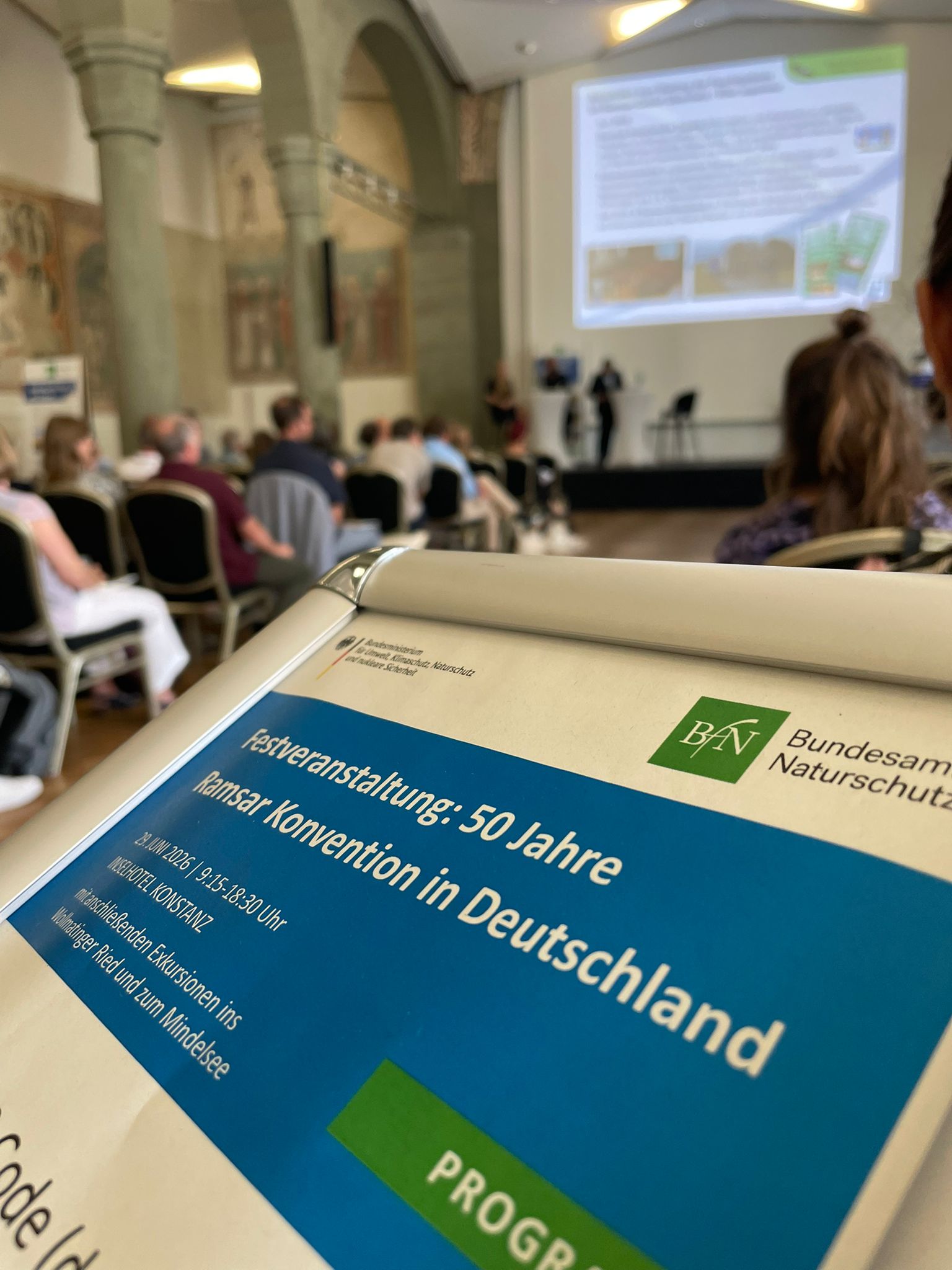
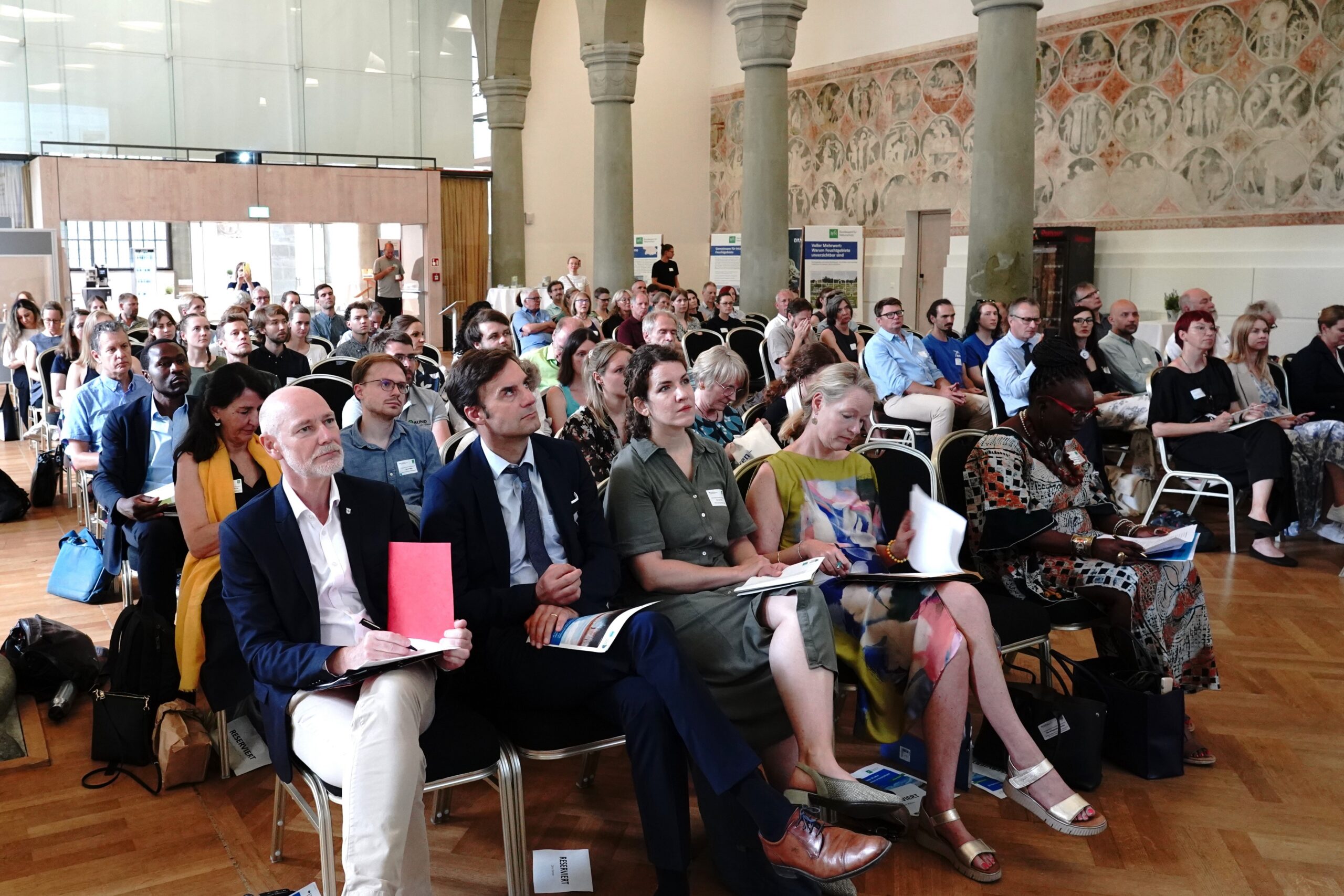
Radolfzell, July 2, 2026. Peatlands store enormous amounts of carbon; wetlands protect against flooding, ensure a water supply during dry periods, and serve as habitats for countless animal and plant species. The central message of the commemorative event “50 Years of the Convention on Wetlands in Germany”—which brought together around 100 representatives from politics, science, conservation, as well as cities and municipalities, gathered at the Inselhotel in Konstanz on June 29. The Ramsar Convention is the only legally binding international environmental agreement in the world dedicated to the protection and sustainable use of wetlands.
The conference, organized by the Global Nature Fund (GNF) on behalf of the Federal Ministry for the Environment, Nature Conservation, Nuclear Safety, and Consumer Protection (BMUKN) and the Federal Agency for Nature Conservation (BfN), organized by the Global Nature Fund (GNF) environmental foundation, provided a groundbreaking assessment of five decades of Ramsar work in Germany and highlighted future prospects.
Political Kickoff: Wetland Conservation as an International and Regional Obligation
Host Christoph Tiemann guided the audience through the top-notch program. Rita Schwarzelühr-Sutter, Parliamentary State Secretary at the BMUKN, opened the event with an impressive speech. She highlighted the fundamental role of intact wetlands in global climate protection and emphasized that the conservation of these ecosystems, in accordance with the Ramsar Guidelines, is a pressing international responsibility: “In light of the current heat wave and drought, it is abundantly clear how important bogs, floodplains, and other wetlands are to us: They retain water in the landscape, thereby protecting against water shortages, and they have a cooling effect.” In addition to this function, which we can all feel, they are so much more: they serve as vital habitats for various animal and plant species, make us more resilient to the effects of climate change, and help combat the loss of biodiversity. They are true all-rounders whom we cannot do without, and whom we must therefore protect and support—Rita Schwarzelühr-Sutter.
Following on from this, Thekla Walker, Minister for the Environment, Climate, and Energy of the State of Baden-Württemberg, focused on healthy ecosystems at the regional level. “Wetlands play a significant role in many ways. They provide shelter and habitat for numerous native animals and plants, effectively sequester carbon, serve as natural water reservoirs, and help mitigate the effects of climate change. The protection, sustainable use, and restoration of wetlands are therefore in all of our best interests. The Convention on Wetlands provides a stable international framework for this and is of great importance for the conservation of these unique natural areas,” said Thekla Walker.
Karl Langensteiner-Schönborn, Konstanz’s mayor in charge of construction, welcomed the guests to the city of the Council and, under the motto “Think globally, act locally,” outlined effective approaches at the municipal level. He emphasized the need to successfully reconcile nature conservation, local recreation, tourism, and economic development in accordance with the “wise use” principle (sustainable use) of the Convention on Wetlands, and he recognized the valuable work of local nature conservation organizations.
Global Vision and National Practice
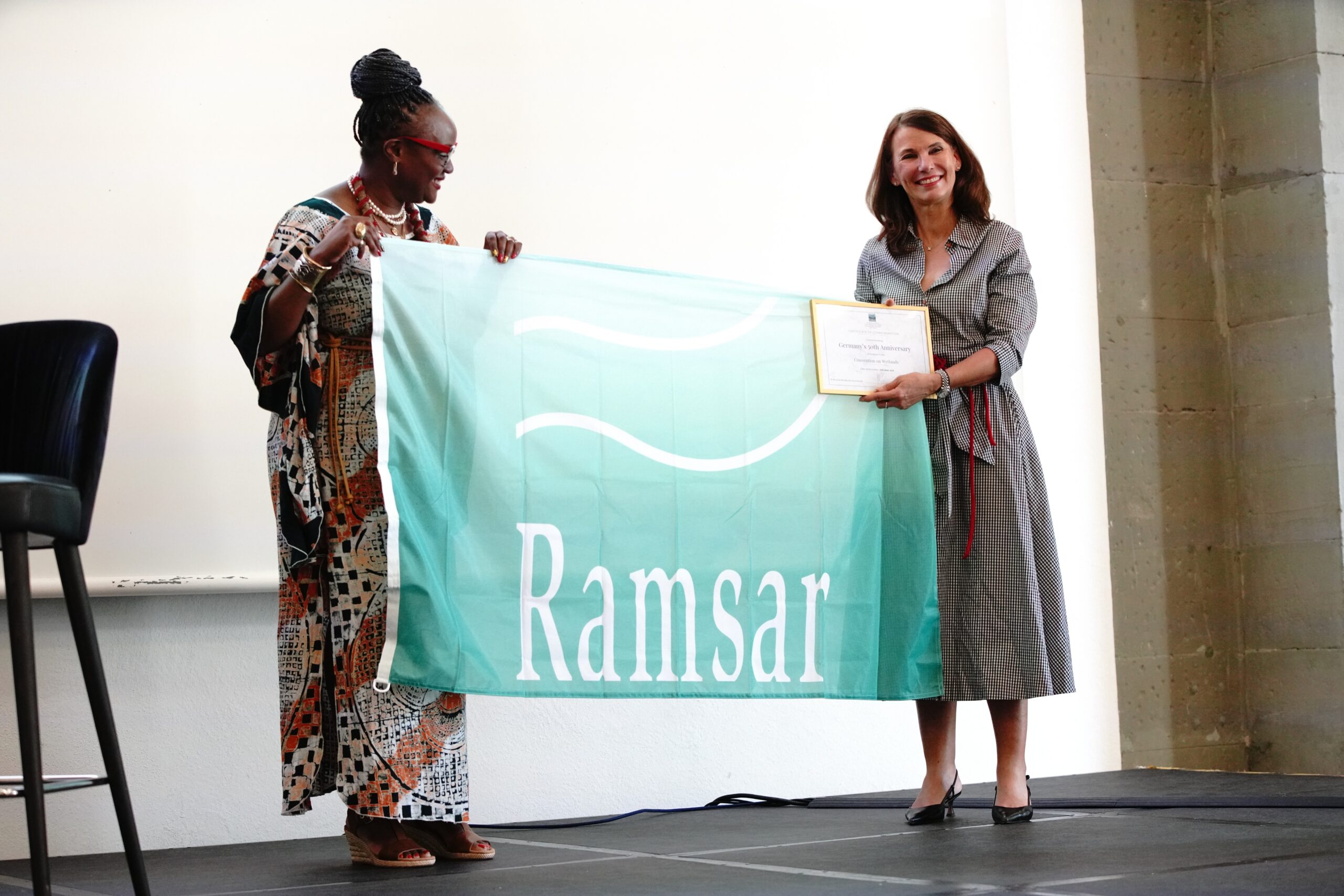
Dr. Musonda Mumba, Secretary-General of the International Convention on Wetlands (Convention on Wetlands), provided a global overview of the opportunities presented by international agreements at the local level. She was deeply impressed by the passionate commitment of the local stakeholders. In an emotional appeal, she called for a strong connection to the next generation in order to leave young people a planet in good condition. As a token of appreciation, Dr. Mumba presented an official Ramsar certificate and the Ramsar flag to the BMUKN, represented by Rita Schwarzelühr-Sutter.
Several case studies illustrated the practical application of the Convention’s instruments. Dr. Kim Grützmacher, Head of the International Nature Conservation Division at the Federal Agency for Nature Conservation (BfN), provided in-depth insights into the nationwide implementation of the Ramsar Convention. Dr. Raphael Rehm (ARGE Schwäbisches Donaumoos e.V.) presented the Schwäbisches Donaumoos as a successful model region for climate protection and regional economic development. Susanne Pimentel (Karlsruhe-Rappenwört Nature Conservation Center) highlighted the international dimension right on our doorstep, using the example of cross-border Ramsar cooperation in the Upper Rhine region.
The Urban Future and the Next Generation
Udo Gattenlöhner (Executive Director of the Global Nature Fund), Marion Klose (Director of the Office for Urban Planning and the Environment of the City of Konstanz), and Dr. Mathias Scholz (Helmholtz Center for Environmental Research – UFZ). The discussion focused on future models for sustainable urban development, such as the Convention on Wetlands’ “Wetland City” designation, as well as the complex challenges of sustainable urban water management, using the examples of Konstanz and the restoration of the Leipzig floodplain forest.
The message was clear: Modern urban development and effective nature conservation are not mutually exclusive—they complement each other.
National and international experts Ann Christin Kornelsen (founder of Mission to Marsh gGmbH), Elena Kmetova-Biro (project coordinator for LIFE WILDisland), Moritz Röhlke, the Ramsar Youth Representative for Germany, and Dr. Mumba discussed public perceptions of bogs and wetlands, international cooperation under the Convention on Wetlands, youth engagement, and the political and practical challenges involved in the conservation and restoration of wetlands. The panel discussion also highlighted specific prospects for Germany and pointed out the opportunities that arise from closer collaboration between academia, politics, and civil society.
At the end of the morning, Rita Schwarzelühr-Sutter spoke with great conviction,
which underscored the future relevance of wetland conservation efforts.
From the Conference Room to the Field: Field Trips to Ramsar Sites
After an intense morning and a break, the participants headed straight to the wetlands amid midsummer temperatures of over 30 degrees. On three different excursion routes, guests experienced nature conservation in action up close in the “Lake Constance: Wollmatinger Ried – Gierenmoos and Mindelsee” wetland of international importance. The guided tours of the Wollmatinger Ried—the largest and oldest nature reserve on the German shore of Lake Constance and the heart of the local Ramsar site—were led by the NABU Lake Constance Center. BUND Baden-Württemberg led the group around Lake Mindel and impressively demonstrated how the preservation of near-natural forests and fens actively contributes to regional biodiversity while also meeting international conservation standards. The field trips made it unmistakably clear: Ramsar sites are not static monuments, but vital hubs for the future of global climate protection.
The anniversary event highlighted that, 50 years after Germany joined the Convention on Wetlands, wetlands are more important than ever. The collective commitment and the wide range of contributions made this day truly special—filled with inspiring encounters and powerful momentum for wetland conservation across the country.