World Water Day 2026: “Water is life”
How the GNF Environmental Foundation creates fair future opportunities worldwide through sustainable water protection projects
To mark World Water Day on March 22, the United Nations is calling for the link between water resources and gender equality to be strengthened under the motto “Water and Gender” and the slogan “Where Water Flows, Equality Grows”. As part of its worldwide water projects, in particular the global IKI Living Lakes Biodiversity and Climate Project (LLBCP), the Global Nature Fund (GNF), together with international partners, shows that the protection of lakes and wetlands goes far beyond the preservation of ecosystems and their biodiversity: water protection is the foundation for sustainably securing livelihoods and actively involving women as designers in local development and water management.
The United Nations has been drawing attention to the importance of water every year since 1993. In 2026, the focus will be on linking UN Sustainable Development Goal 6 (clean water) and Goal 5 (gender equality). Around the world, women and girls often bear the brunt of water procurement. When local ecosystems are destroyed by climate change or overexploitation, the crisis hits these people first and hardest. Where there is no access to clean water, the opportunities for health, education and a secure and independent income dwindle. The protection of intact ecosystems is therefore the basic prerequisite for global justice. As part of the IKI Living Lakes Biodiversity and Climate project, GNF promotes the conservation and restoration of lakes and wetlands and the role of women in water management.
Example Colombia: Sustainable agriculture
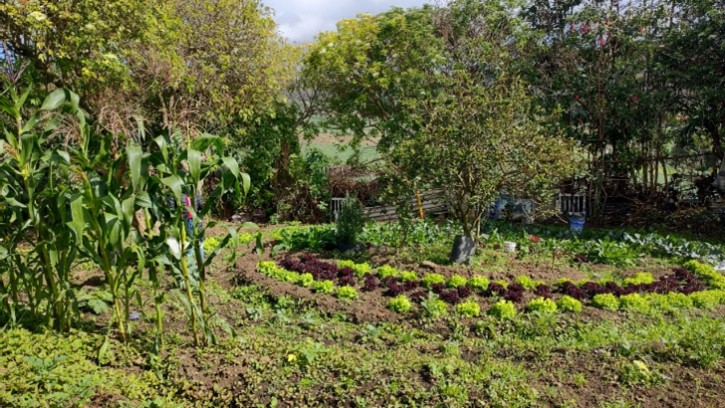
In the catchment areas of the Tota and Fúquene lagoons in the Andean highlands, the “Mujeres de Tierra” initiative supports and trains women so that they can respond better to climate change. Here, 110 women tend 60 agroecological gardens and preserve traditional knowledge about water-saving cultivation methods such as rainwater harvesting and natural soil cover. If less valuable water evaporates, this secures the food supply – especially in times of increasing drought.
Project for climate resilience and wetland protection in South Africa
In Bergville, South Africa, the Mahlathini Development Foundation is leading a pioneering project in the Drakensberg region that puts women and young people at the center of water management. Using nature-based solutions, 96 smallholder farmers reduced water losses in their fields by over 50 %. Improved water storage in the soil is a decisive step towards improving harvests and preserving threatened wetlands in the long term.
“Our experience shows that water projects in development cooperation are most effective when women are involved in decision-making processes as experts,” emphasizes Marion Hammerl, President of the Global Nature Fund.
In India, too, the combination of ecosystem protection and women’s rights is a key success factor. Ajanta Dey, Program Director of the Nature Environment & Wildlife Society (NEWS) in India emphasizes: “In the Sundarbans, the largest mangrove area in the world, we see every day that water control also means power. When we empower women to manage their water resources and coastal ecosystems, we not only protect habitats and their biodiversity, but also promote the economic and social empowerment of women and their families.”
World Water Day 2026 highlights how closely water and gender equality are linked.