Mangroves Around the World: New Report Highlights Progress and Hotspots
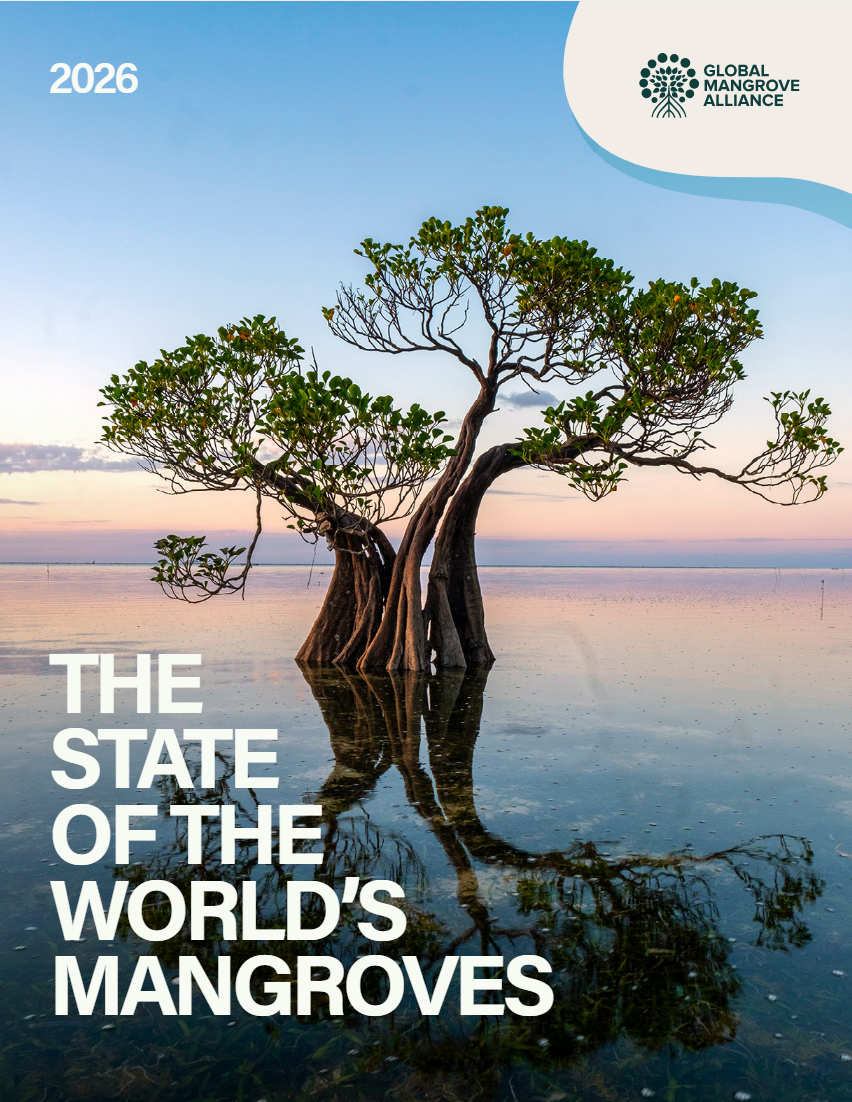
On October 1, the Global Mangrove Alliance released the latest edition of its annual mangrove report. It contains the most comprehensive set of data to date on these important coastal ecosystems and reports on progress worldwide, while also highlighting areas of concern.
There are approximately 15 million hectares of mangrove forests along tropical coasts on both sides of the equator worldwide. According to the latest report, “The State of the World’s Mangroves 2026,” the rate of mangrove forest loss has continued to slow globally in recent years. This is a development that offers hope, even though major challenges remain in certain regions.
This is particularly evident in Indonesia. The country is home to 22 percent of the world’s mangrove forests and continues to lose habitat. The main causes are the expansion of aquaculture and oil palm plantations.
Why Mangroves Are So Important:
Mangrove forests store large amounts of carbon and thus play an important role in climate protection. They act as a natural coastal barrier against erosion and storm surges. In addition, they serve as essential nurseries for numerous marine species, especially fish and crustaceans.
Since 2005, the Global Nature Fund has been working with local partners to protect and restore mangrove forests. As a member of the Global Mangrove Alliance, the GNF launched its own projects in Indonesia in 2025.
Further information
Download the report “The State of the World’s Mangroves 2026” (English)
Learn more about our mangrove project in Indonesia