When cyclones strike, mangrove forests form a natural shield for the coastlines and the people of the Sundarbans in India.
A project aimed at protecting mangroves while simultaneously strengthening the livelihoods of local smallholder farmers has impressed the United Nations: The FAO has recognized the SAIME project, led by the Global Nature Fund and its partner organizations NEWS (India) and BEDS (Bangladesh), as a global best-practice example.
On October 15, 2025, SAIME (Sustainable Aquaculture in Mangrove Ecosystems) received the FAO’s “Global Technical Recognition” for sustainable aquatic food systems at the World Food Forum in Rome.
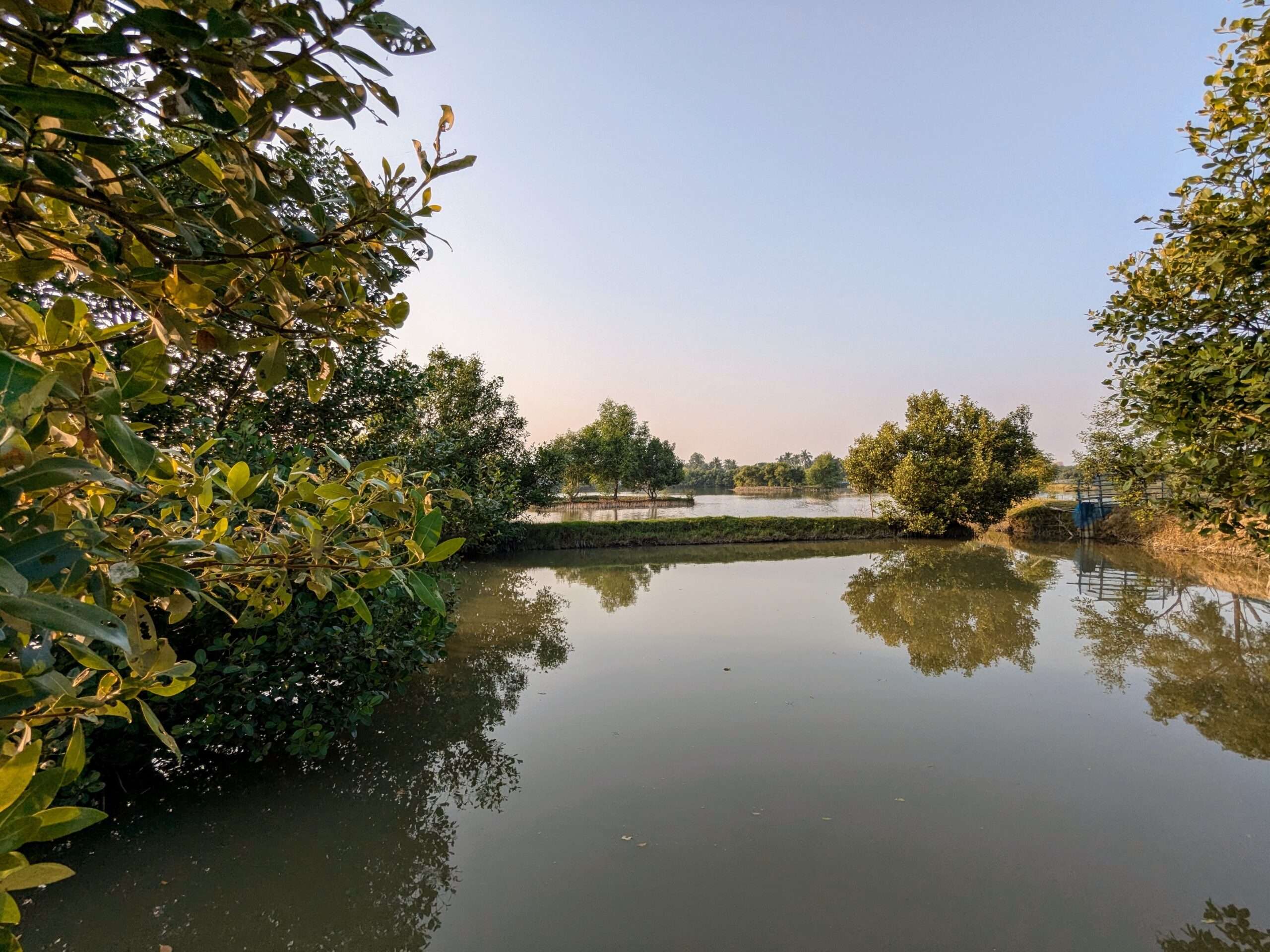
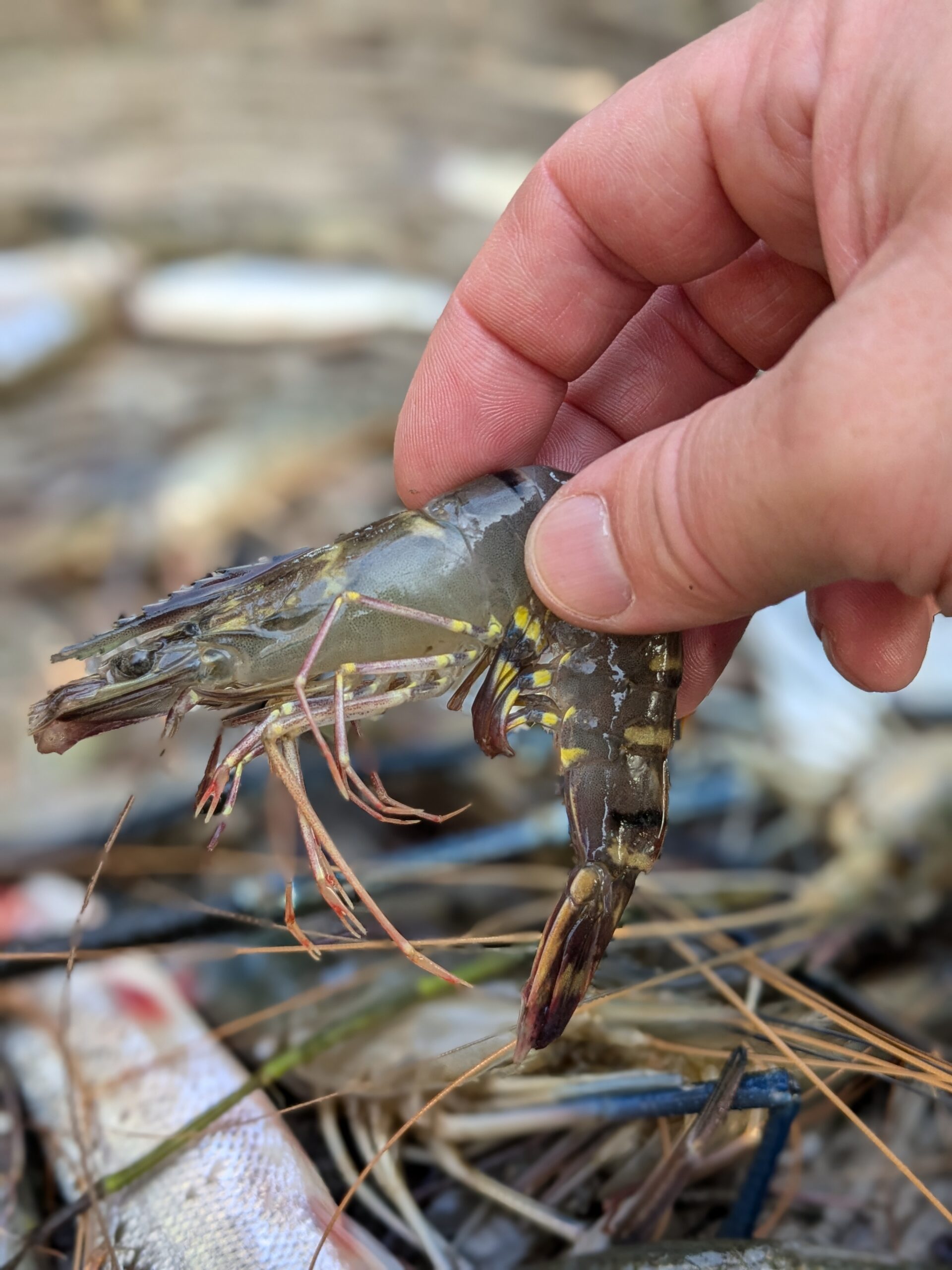
The Sundarbans, located in the delta of the Ganges, Brahmaputra, and Meghna rivers, are the largest mangrove forest in the world. However, in many places, the forests have been cleared to make way for shrimp ponds, while rising sea levels and salinization are placing additional strain on the region. SAIME turns this principle on its head: smallholder farmers deliberately plant mangroves in and around their ponds so that five to 30 percent of the area is covered with vegetation. The foliage serves as natural food for the native black tiger shrimp. The roots stabilize the dikes, purify the water, sequester carbon, and restore a habitat for birds, crabs, and fish.
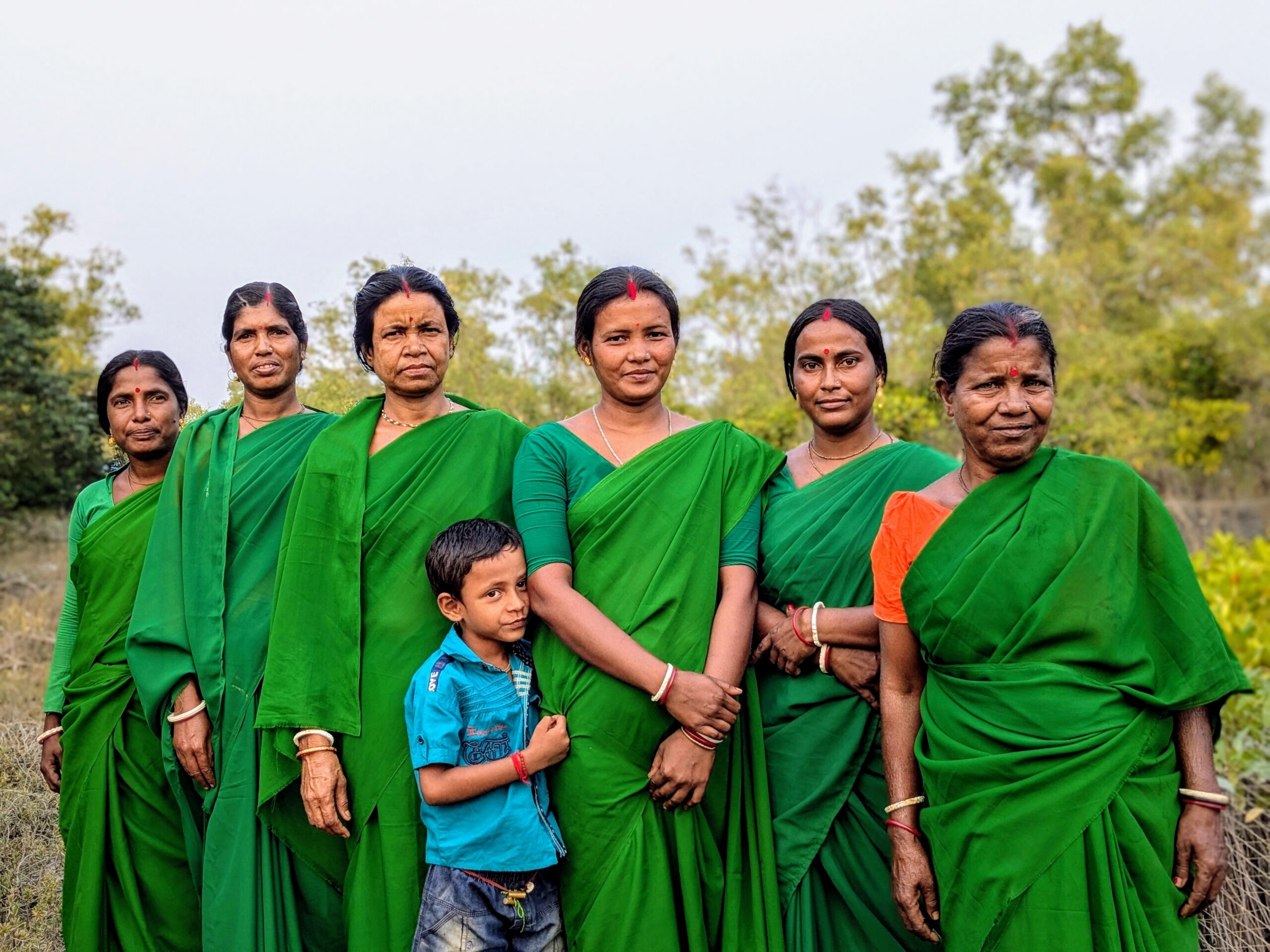
What does this mean for families? Since 2018, more than 200 model farms have been established in India and Bangladesh. In the Indian Sundarbans, the participating farms have more than doubled their net profits because they no longer have to incur expensive purchases and maintenance costs. For many, this means being able to pay school tuition, building up savings for a rainy day, and having opportunities for a future worth living.
The FAO award is more than just a prize: SAIME serves as an international example of how nature-based solutions can make food systems climate-resilient. Ecological restoration, climate protection, and poverty reduction are not mutually exclusive—the project demonstrates how they all go hand in hand.
More about the FAO: https://www.fao.org/fishery/topic/12323/en