|
|
|
|
|
|
|
|
New project launched: Biodiversity in the aluminium supply chain
|
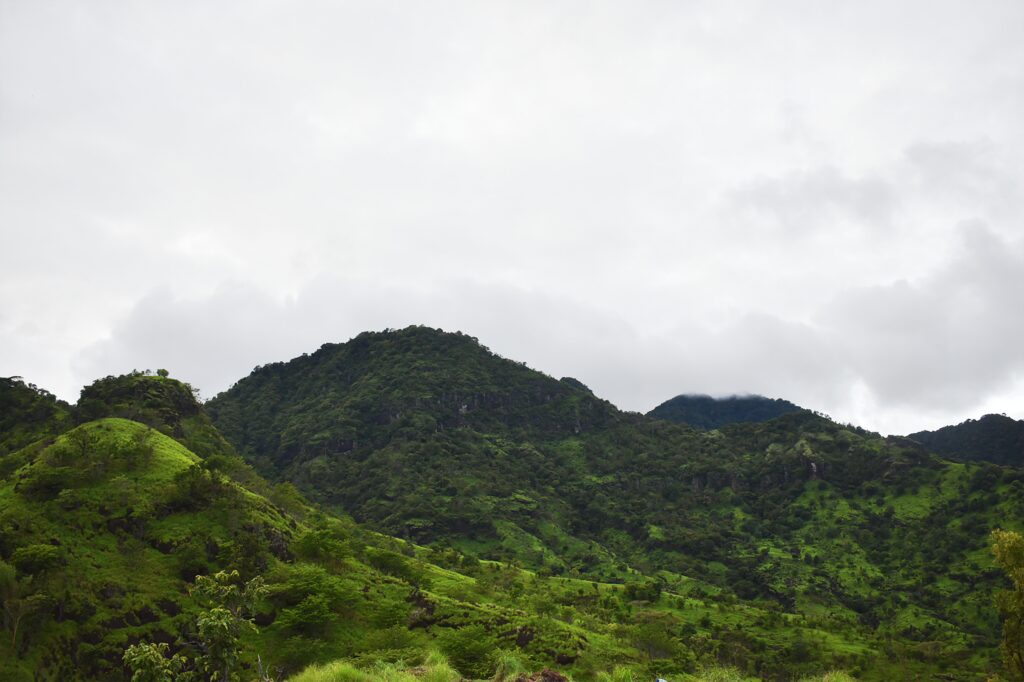
Aluminium is a key raw material for the transition to a climate-neutral economy. However, its raw material, bauxite, is mainly mined in tropical and subtropical regions, where it puts pressure on forests, biodiversity and local communities. Through the ‘Diversity Instead of Loss’ project, the Global Nature Fund is helping German companies to identify and effectively reduce the risks of deforestation and biodiversity loss in their aluminium supply chains.
|
|
|
|
|
|
|
|
TNFD, SBTN, NPI publish updated guidelines
|
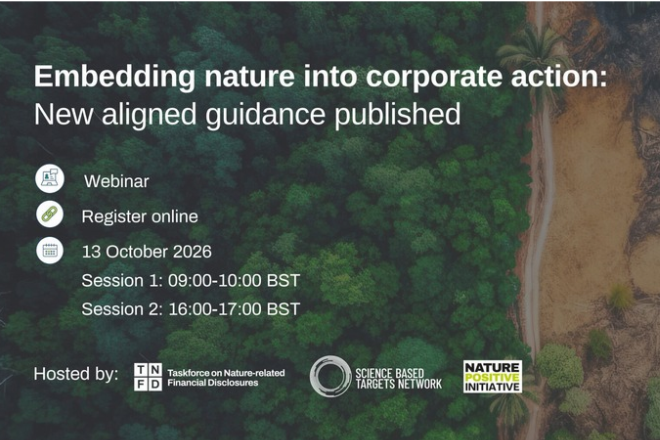
On 13 October, the TNFD, SBTN and the Nature Positive Initiative (NPI) will simultaneously publish updated guidance and standards. These will help organisations to integrate nature into their corporate assessment, reporting and target-setting processes. The publications include the TNFD’s LEAP 2.0, the SBTN’s Science-Based Targets for Nature 2.0 and the NPI’s State of Nature Indicators and Metrics Framework.
|
|
|
|
|
|
|
|
Biodiversity risks for the textile and food sectors
|
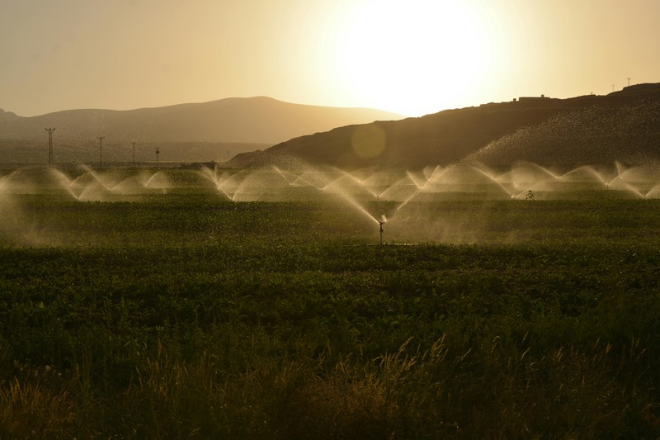
Global value chains depend on functioning ecosystems – for example, for raw materials, fertile soil, water and stable climatic conditions. Using the textile and food industries as examples, the Global Nature Fund is seeking potential solutions, as both sectors illustrate different risk and dependency profiles. The project’s findings will inform recommendations for action aimed at businesses and trade associations.
|
|
|
|
|
|
|
|
Call for action on the future of agriculture
|
Fairtrade Germany, GNF and other partners are calling on Federal Minister for Agriculture Alois Rainer to take decisive action to ensure that all trading partners pay fair, cost-covering prices throughout the entire supply chain. Fair prices mean that they cover the costs of sustainable production, thereby enabling livelihoods and investment. The payment of unfair prices must be included in the Directive on Unfair Trading Practices (UTP).
|
|
|
|
|
|

|

|
Biodiversity in agricultural supply chains
|
German food industry launches joint roadmap for greater biodiversity
The members of Food for Biodiversity e.V. have agreed on a joint roadmap for greater biodiversity in agricultural supply chains. For the first time, the roll-out strategy sets out common implementation targets for companies and standards organisations to promote biodiversity in agricultural supply chains. It is intended to help embed biodiversity criteria more firmly in the requirements of sustainability standards and in the procurement guidelines of food companies. The focus is on seven high-risk commodity groups: vegetables, fruit, wheat, rapeseed, sugar beet, milk and meat.
|
The basis for this is the Basic Set of Biodiversity Criteria for temperate latitudes, which was developed by Food for Biodiversity in collaboration with food companies, standards organisations, environmental organisations and the scientific community. It brings together key requirements for the protection and promotion of biodiversity in agricultural production. The Basic Set serves as a common framework for companies and standards organisations.
|
The roll-out strategy and the further development of the Basic Set form part of the EU LIFE project Fit for Biodiversity.
|
|
|
|
|
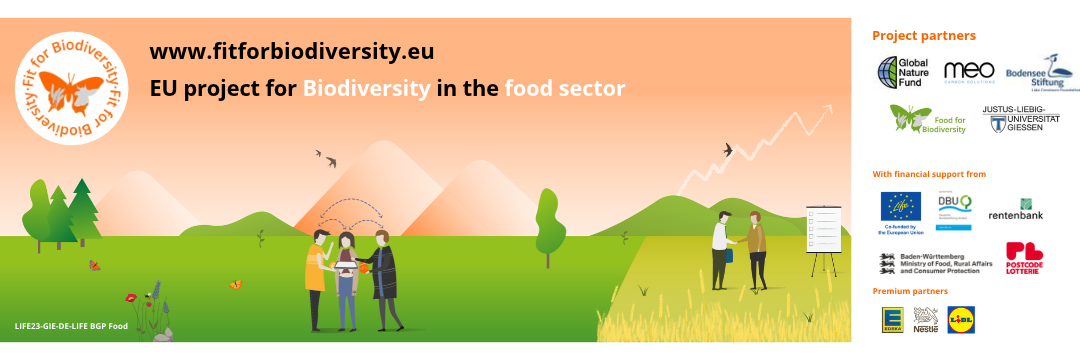
Fit for Biodiversity is an EU LIFE project aimed at increasing biodiversity in the food sector.
|
|
The latest news and information on events and training courses is provided by @foodbiodiversity on LinkedIn. #fit4biodiversity
|
|
|
|
|
 
|
|
|
|
|
➔ Publications
|
|
|
Biodiversity check for the textile industry
|
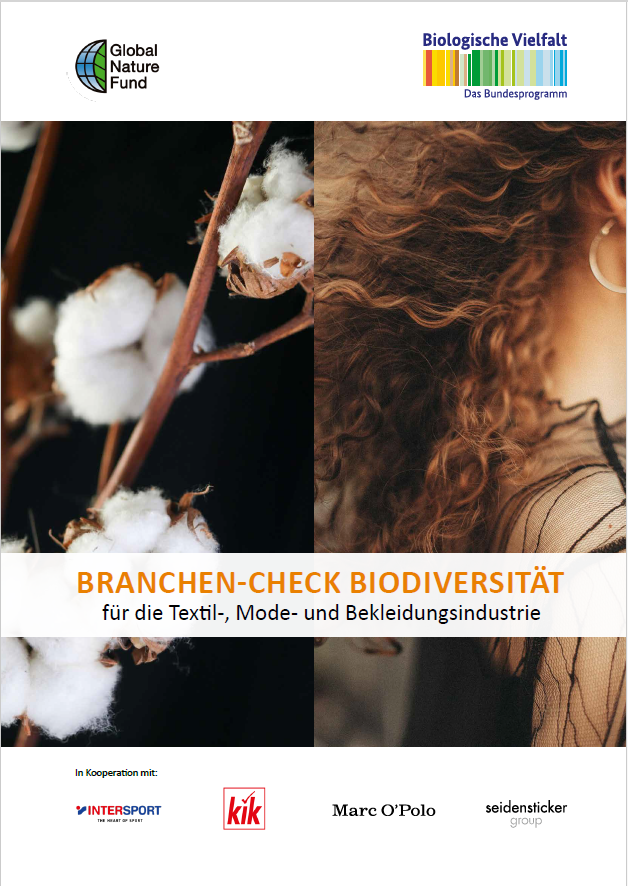
The new ‘Biodiversity check for the textile, fashion and clothing industry’ combines background information with specific recommendations for action, checklists, potential key performance indicators and tools. In this way, it helps companies to identify biodiversity risks, prioritise areas for action and develop appropriate measures. At the same time, it provides guidance on systematically addressing biodiversity-related requirements and conducting materiality analyses. This sector check by the Global Nature Fund was developed as part of the ‘Business Biodiversity – UBi’ project.
|
|
|
|
|
|
|
|
Report: Funding biodiversity in the food industry
|
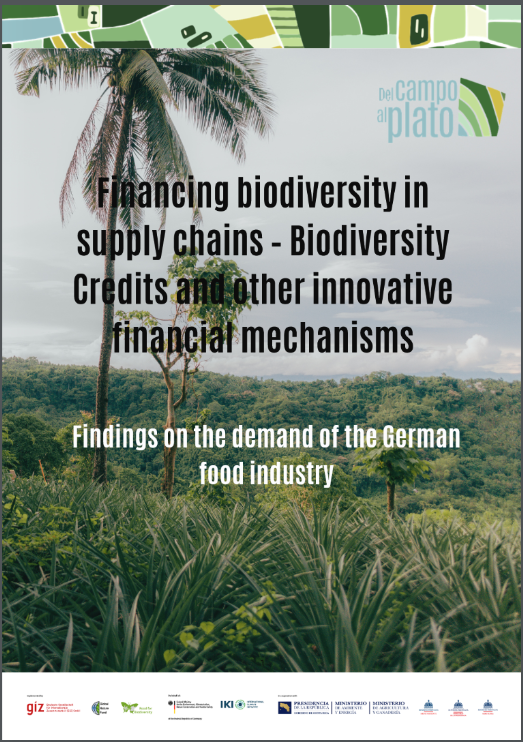
Innovative financing instruments such as biodiversity credits are coming increasingly into focus – not least since they are explicitly mentioned as an instrument in the Kunming–Montreal Framework for Biodiversity. What is the stance of German food companies on this new market instrument? Is there genuine demand – or does it remain purely theoretical for the time being? The Global Nature Fund, Food for Biodiversity and the IKI project ‘Del Campo al Plato’ (From Farm to Fork, implemented by the German Society for International Cooperation GmbH) have examined this in a recent report.
|
|
|
|
|
|
|
|
Study: Banks and ecosystem services
|
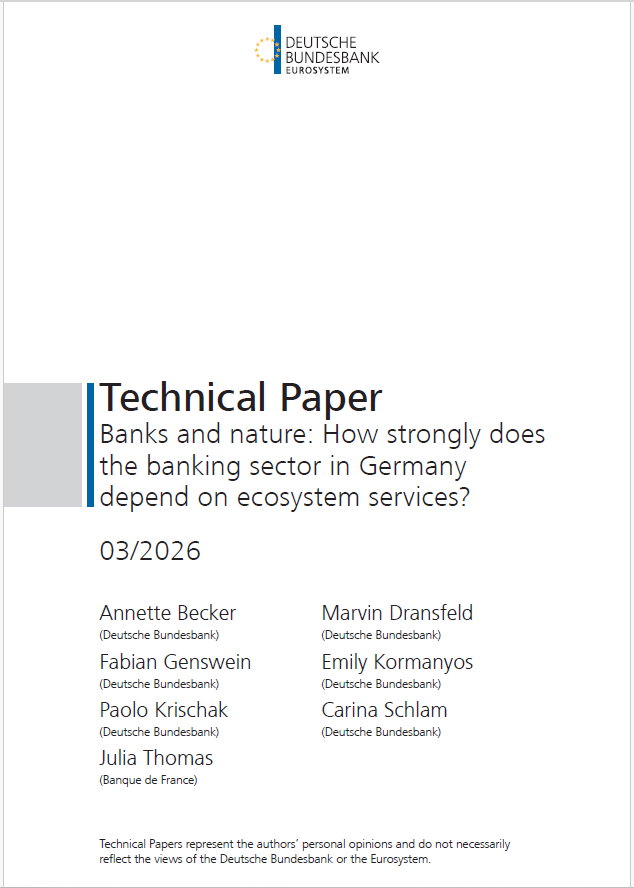
This study by the Deutsche Bundesbank examines the extent to which the banking sector in Germany is dependent on ecosystem services. Ecosystem services are based on nature’s ability to provide inputs for economic activities, such as clean water and fertile soil. Understanding these dependencies is crucial, as damage to ecosystem services can have significant economic and financial consequences. The findings show that banks in Germany are heavily reliant on ecosystem services through their corporate lending, particularly with regard to water.
|
|
|
|
|
|
|
|
Analysis: Nature-Related Physical Risks
|
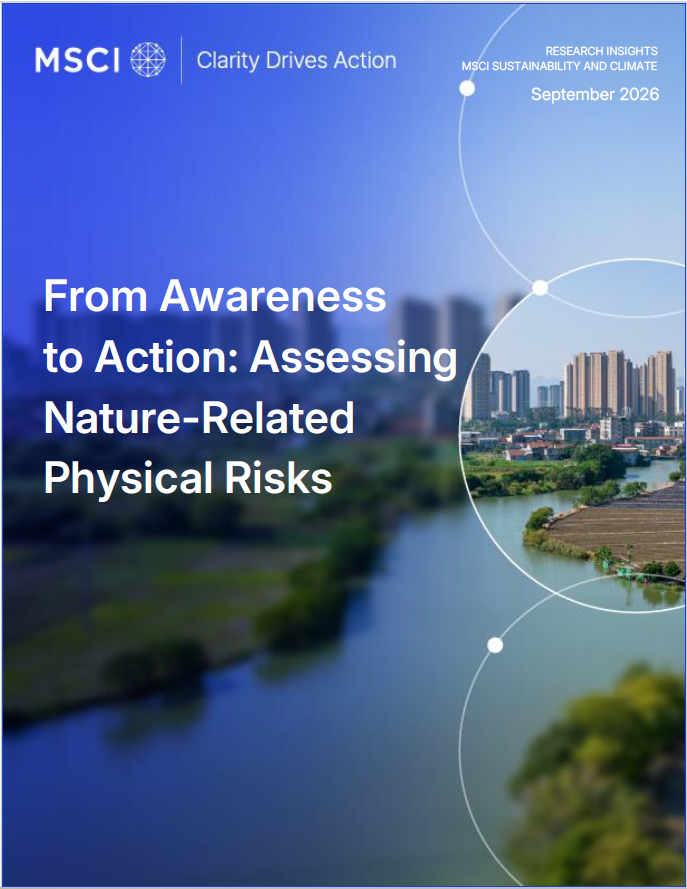
Natural physical risks are locally confined: the same business exposure can lead to very different financial risks depending on a company’s location. This study by MSCI examines how investors can not only understand this principle but also assess it systematically. The analysis identifies 23 high-risk sub-sectors across several risk categories and introduces the ‘MSCI Nature Risk Matrix’ – a framework designed to translate location-specific insights into signals that can support portfolio analysis and index construction.
|
|
|
|
|
|
|
|
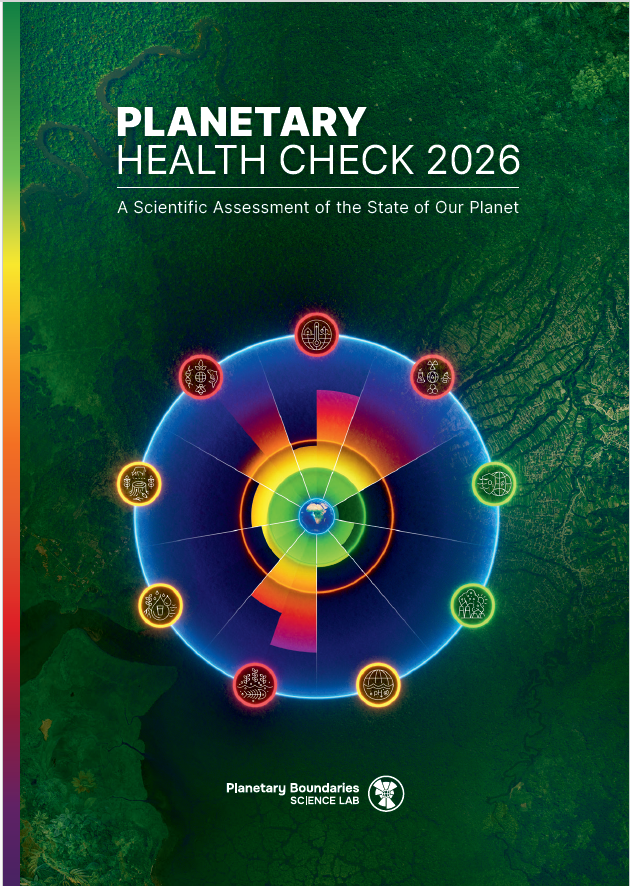
Planetary Health Check 2026
|
Pressure continues to mount across all seven planetary boundaries that have already been exceeded. Record-breaking ocean temperatures, severe droughts, floods, wildfires and extreme heat demonstrate that the Earth system is under increasing pressure. This is the finding of the latest Planetary Health Check. More than 60 scientists have contributed to the annual report, which is produced by the Planetary Boundaries Science Lab at the Potsdam Institute for Climate Impact Research (PIK).
|
|
|
|
|
|
|
|
➔ Events
|
|
|
Webinar: Introduction to the updated TNFD, SBTN and NPI guidelines
|
13/14/15 October 2026 | Online
|
|
In a series of online events, the TNFD, SBTN and the Nature Positive Initiative (NPI) will present their updated guidance and standards. These are designed to help organisations integrate nature into their corporate assessment, reporting and target-setting processes.
|
|
|
|
|
|
|
|
Workshop: Biodiversity criteria in textile supply chains
|
14 October 2026 | PERFORMANCE DAYS Munich
|
|
As part of the Performance Days in Munich, the Global Nature Fund is presenting the initial findings of the study ‘Biodiversity Risks in the Upstream Supply Chain’, which is funded by the Funk Foundation. The interactive workshop examines regulatory requirements, highlights examples of risks and specific courses of action, and provides insights into how pioneering companies are already tackling this issue. Language: German.
|
|
|
|
|
|
|
|
Online seminar: Biodiversity for businesses – defining priorities and actions
|
How can biodiversity targets be defined within a company and translated into effective measures? Strategic biodiversity management helps to identify risks at an early stage, whilst at the same time strengthening the company’s resilience and long-term viability. Organiser: Global Nature Fund in collaboration with NRW.BANK. Language: German.
|
|
|
|
|
|
|
|
COP17 of the Convention on Biological Diversity (CBD)
|
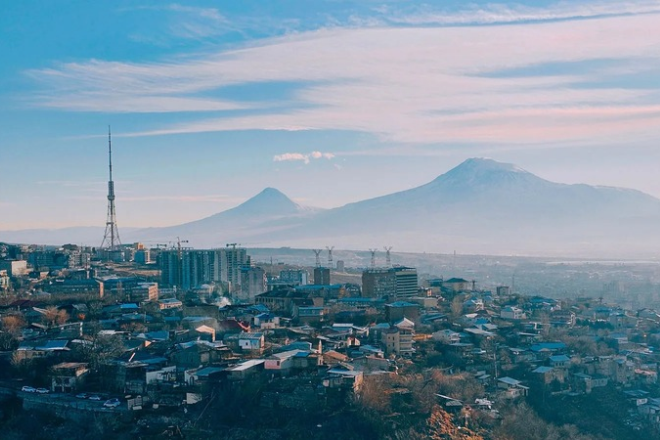
19 to 30 October 2026 | Yerevan, Armenia
|
|
In October, governments, businesses, financial institutions, civil society and other stakeholders will gather in Yerevan, Armenia, for COP17 of the Convention on Biological Diversity (CBD). The conference plays a key role in reviewing progress on the implementation of the Kunming–Montreal Global Biodiversity Framework and setting priorities for accelerated action to protect nature. Recommended dates for corporate participation: 23–27 October.
|
|
|
|
|
|
Global Nature Fund (GNF) –
International Foundation for Environment and Nature
|
Fritz-Reichle-Ring 4
78315 Radolfzell, Germany
|
|
|
|
|
© Global Nature Fund – 2026
|
|
|
|